
Reference
How diamond dealer licensing works in South Africa
What the Diamonds Act 56 of 1986 requires, what a SADPMR licence actually means, the licence categories, and how any buyer can confirm that a dealer is licensed. No named dealers, just the law and the checks.

What the law requires
Two statutes frame the trade. The Diamonds Act 56 of 1986 governs diamonds specifically and established the regulator that licenses the people who trade them. The Precious Metals Act 37 of 2005 governs gold, platinum and other precious metals, which matters because most diamond dealers also work in precious-metal mountings. The SADPMR administers both.
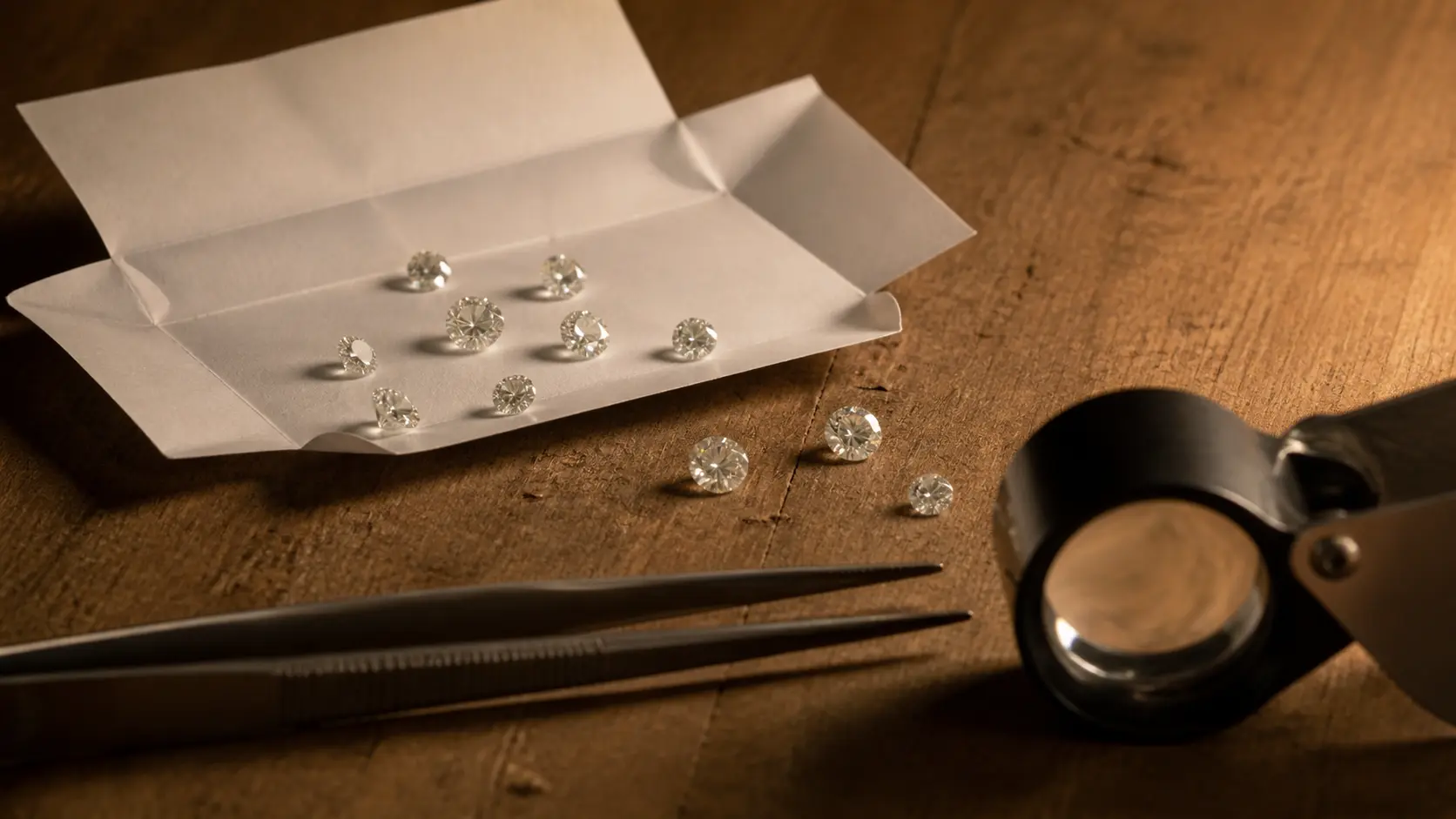
The trigger for a diamond licence is the unset stone. Trading, importing, exporting or otherwise dealing in loose polished or rough diamonds is licensed activity. Selling a finished ring with the stone already mounted is a different position in law, but the moment a business handles loose stones, sets them, or sources them to order, it is in licensed territory and should hold the appropriate licence.
What a licence means, and what it does not
A current SADPMR licence means the holder is permitted to trade under the Act and is accountable to the regulator for how it does so. That accountability is the real value to a buyer: a licensed dealer has a licence it can lose, which is a meaningful incentive to trade cleanly.
A licence does not, by itself, certify that any individual stone is graded honestly, that a certificate is genuine, or that a given price is reasonable. Those are separate checks. Read the licence as the entry requirement to the trade, then still verify the certificate and the invoice on their own terms.
The licence categories
The regulator issues several categories under the Diamonds Act. The names matter less than the principle that the category should fit what the business actually does with your stone:
- Diamond dealer. Buying and selling loose diamonds. This is the category most relevant to a retail buyer purchasing a certified centre stone.
- Diamond beneficiator. Cutting, polishing and otherwise adding value to rough or polished stones.
- Diamond trading house. Operating a venue through which licensed dealers transact.
- Diamond researcher and other specialist categories covering research and related activity.
For a buyer, the practical test is simple: the business handling your loose stone should hold a current licence in a category that covers dealing, and should be willing to let you confirm it.
How to confirm a dealer is licensed
- Ask for the licence detail. A licensed dealer will give you the reference, or publish it, without hesitation. Reluctance is the first flag.
- Confirm it with the regulator. Contact the SADPMR at sadpmr.co.za or on 011 334 8980 and confirm the entity holds a current licence. Do not rely on a framed copy on the wall alone.
- Cross-check the company itself. The registered company name and VAT number should be verifiable, the company on the CIPC registry at cipc.co.za. A legitimate business can show a SADPMR licence, a CIPC registration and a VAT number, and they answer different questions.
- Read the invoice. A licensed dealer invoice carries the licence reference, the VAT number, the full 4Cs, the certificate laboratory and number, and a Kimberley Process compliance statement. Ask to see a sample template before you commit to a quote.
Why the licence is worth caring about
An unlicensed seller trading loose stones is operating outside the Diamonds Act, and that gap tends to travel with other gaps. The provenance of the stone may be unverifiable, raising Kimberley Process questions. The certificate may come from an unrecognised in-house laboratory rather than an independent one. The invoice may carry no licence reference, which becomes a problem the day you need to insure, resell or bequeath the stone. A price that looks unusually good is often pricing in one of those risks rather than passing on a genuine saving. Buy from a licensed dealer. The licence is the floor, not the ceiling, of doing this safely.
Common questions
What does "licensed diamond dealer" mean in South Africa?
It means the trader holds a licence from the South African Diamond and Precious Metals Regulator (SADPMR) to deal in unset diamonds. Under the Diamonds Act 56 of 1986, anyone trading in loose or rough diamonds (stones not yet mounted in finished jewellery) needs that licence, and where precious metals are involved the Precious Metals Act 37 of 2005 applies as well. A shop selling only finished mounted jewellery sits in a different position, but any business that handles loose stones, sets them, or trades them should be licensed to do so.
Which licence categories does the SADPMR issue?
The regulator issues several categories under the Diamonds Act, including diamond dealer, diamond beneficiator, diamond trading house and diamond researcher, among others. The category describes what the holder is permitted to do: trade stones, cut and polish, run a trading house, and so on. For a buyer, the point is simpler. The business handling your loose stone should hold a current licence in a category that covers dealing, and that licence should be confirmable with the regulator.
Is a SADPMR licence the same as a company registration or a VAT number?
No, and you want all three. A SADPMR licence is the diamond-trade permission under the Diamonds Act. A CIPC registration is the record that the company legally exists, verifiable at cipc.co.za. A VAT number is the SARS registration that lets the business charge and account for VAT. A legitimate dealer can show you all three. They answer different questions, so none of them substitutes for the others.
How do I confirm a licence is real and current?
Ask the dealer for the licence detail, then confirm it independently with the regulator rather than taking the copy on the wall at face value. The SADPMR is contactable at sadpmr.co.za and on 011 334 8980, and it can confirm whether an entity holds a current licence. A licensed dealer publishes or provides the licence reference without fuss. Reluctance to let you verify is itself the answer.
Do mall and chain jewellers need a diamond licence too?
A business that only sells finished, already-mounted jewellery is in a different regulatory position from one that trades loose stones. In practice, most established jewellers that handle loose diamonds, run a workshop, or set stones to order hold the relevant licensing, and the format of the shop (mall floor, boutique, or by-appointment workshop) does not change the legal requirement. What changes between formats is price structure and service, not whether the loose-stone trade needs a licence.
Why does buying from an unlicensed dealer matter if the price is good?
Because the licence is the floor of the trade, not an optional extra. An unlicensed loose-stone seller operates outside the Diamonds Act, which exposes you to unverifiable provenance (potential Kimberley Process problems), certificates that may come from unrecognised in-house laboratories, and an invoice that carries no licence reference for future resale, insurance or estate purposes. A low price often reflects one of those gaps rather than a genuine saving.